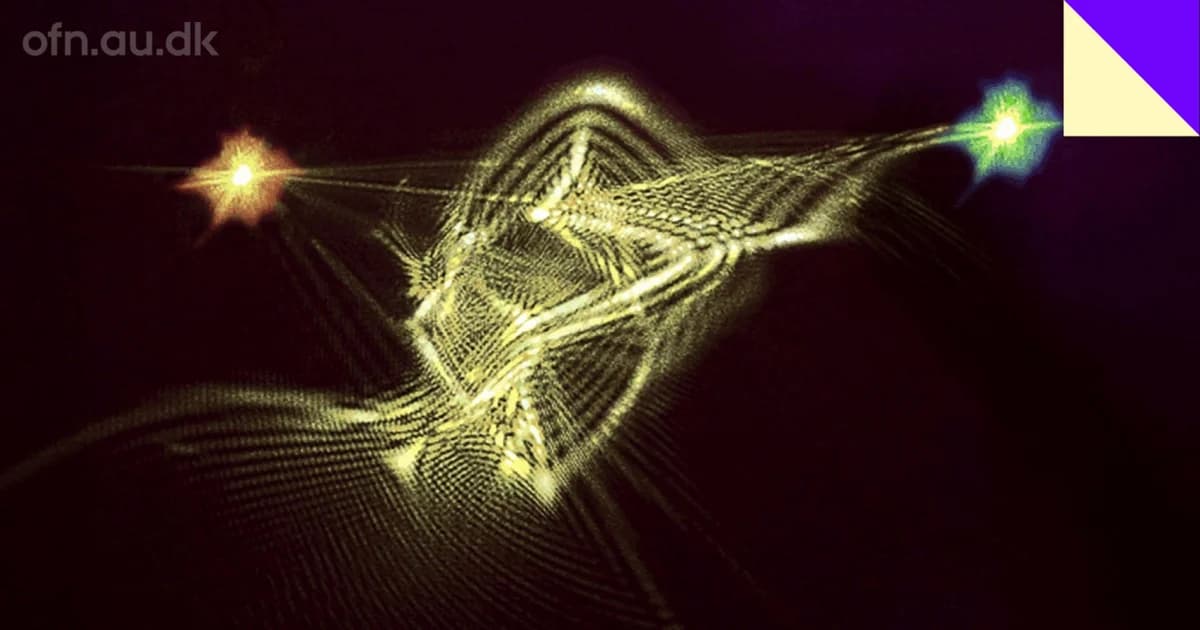
Get an introduction to the world of quantum physics and the ongoing "quantum revolution," which develops technologies based on the most paradoxical aspects of quantum phenomena. The lecture explores how quantum computers work and what opportunities they offer.
The microscopic world of atoms and molecules is described through quantum physics, which fundamentally differs from everyday physics: atomic particles can exist in multiple places at once, and measurements yield random results. In the early 20th century, quantum physics shook physicists' worldviews, but the theory has since been confirmed with high precision across all areas of physics and chemistry.
The lecture provides an introduction to quantum physics, existing technologies based on this theory, and perspectives for future technologies that exploit the quantum properties of atomic particles. Since the 1990s, massive investments have been made in developing quantum computers, which use atomic quantum states to simultaneously process many numbers. You will learn about the current state of development and possible applications when these machines become fully functional.
This is an updated version of a lecture from spring 2020, organized by Aarhus University as part of the Public Lectures in Natural Science series, with support from the Carlsberg Foundation.









































![Afro Fusion Dance Classes [11-14 years] Nørrebro](/_next/image/?url=https%3A%2F%2Fevent-images.autopress.dk%2Fevents%2Fthumb%2Fsrc-20364601.webp&w=3840&q=75)